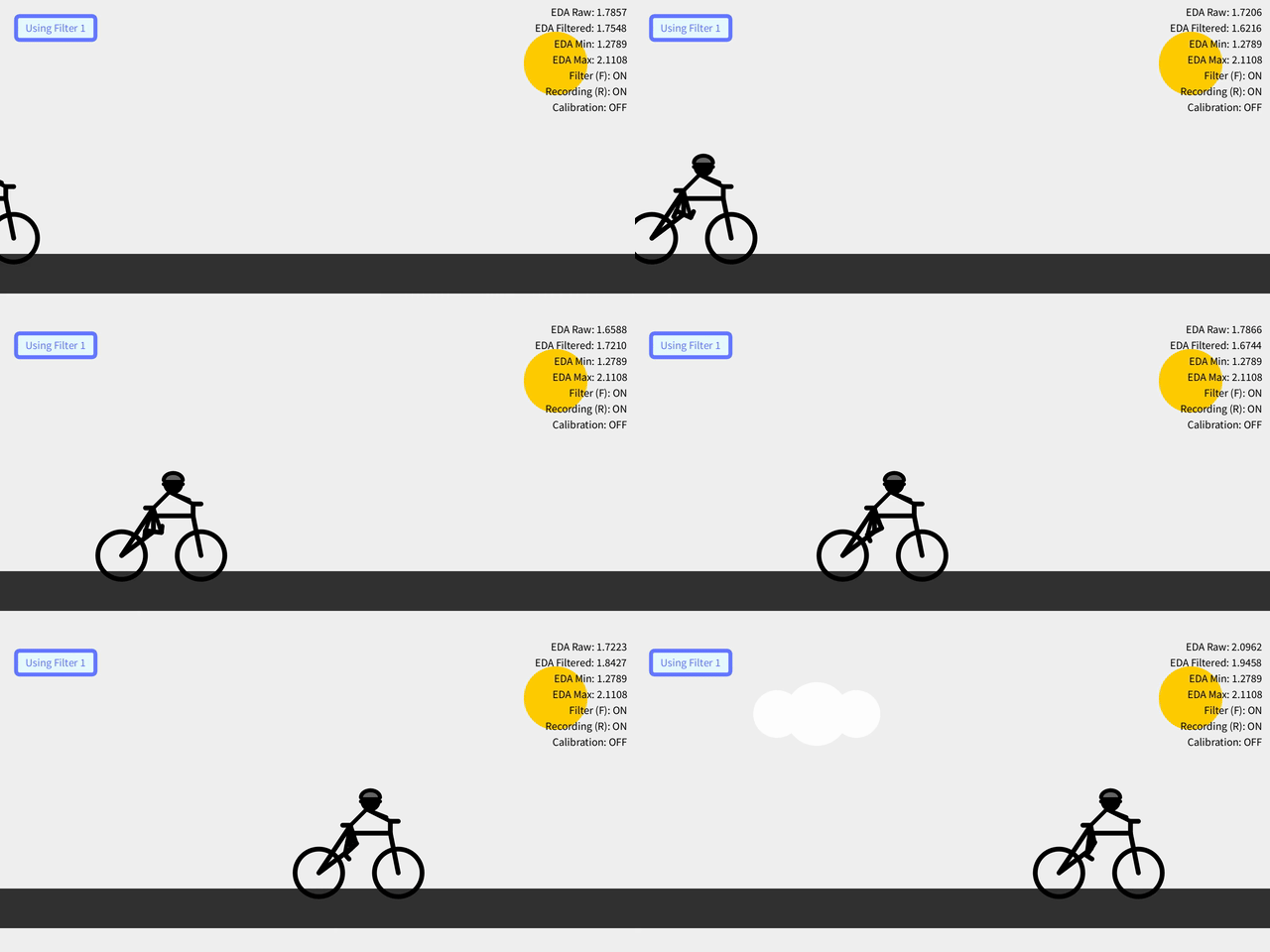
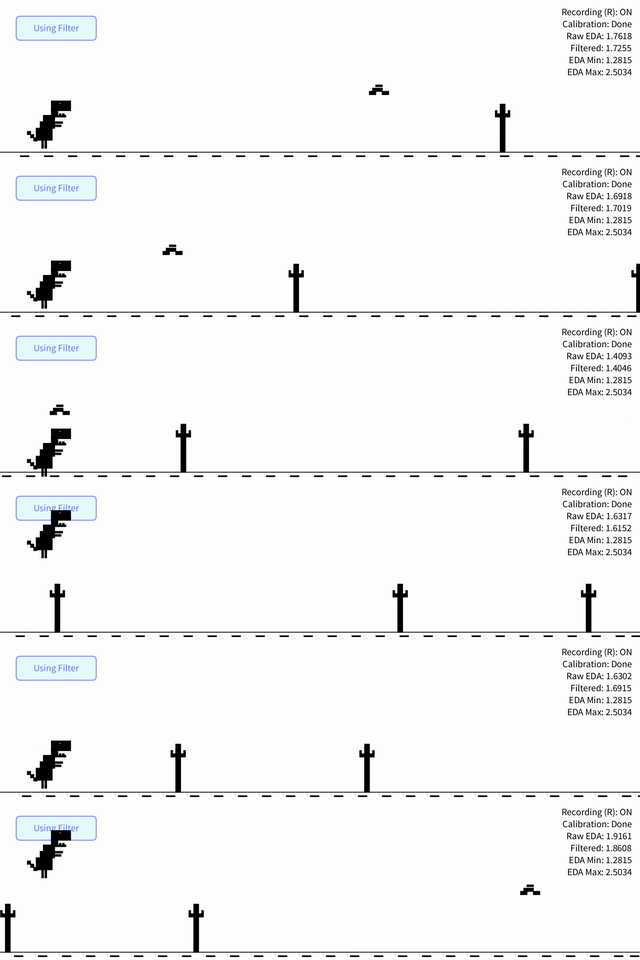
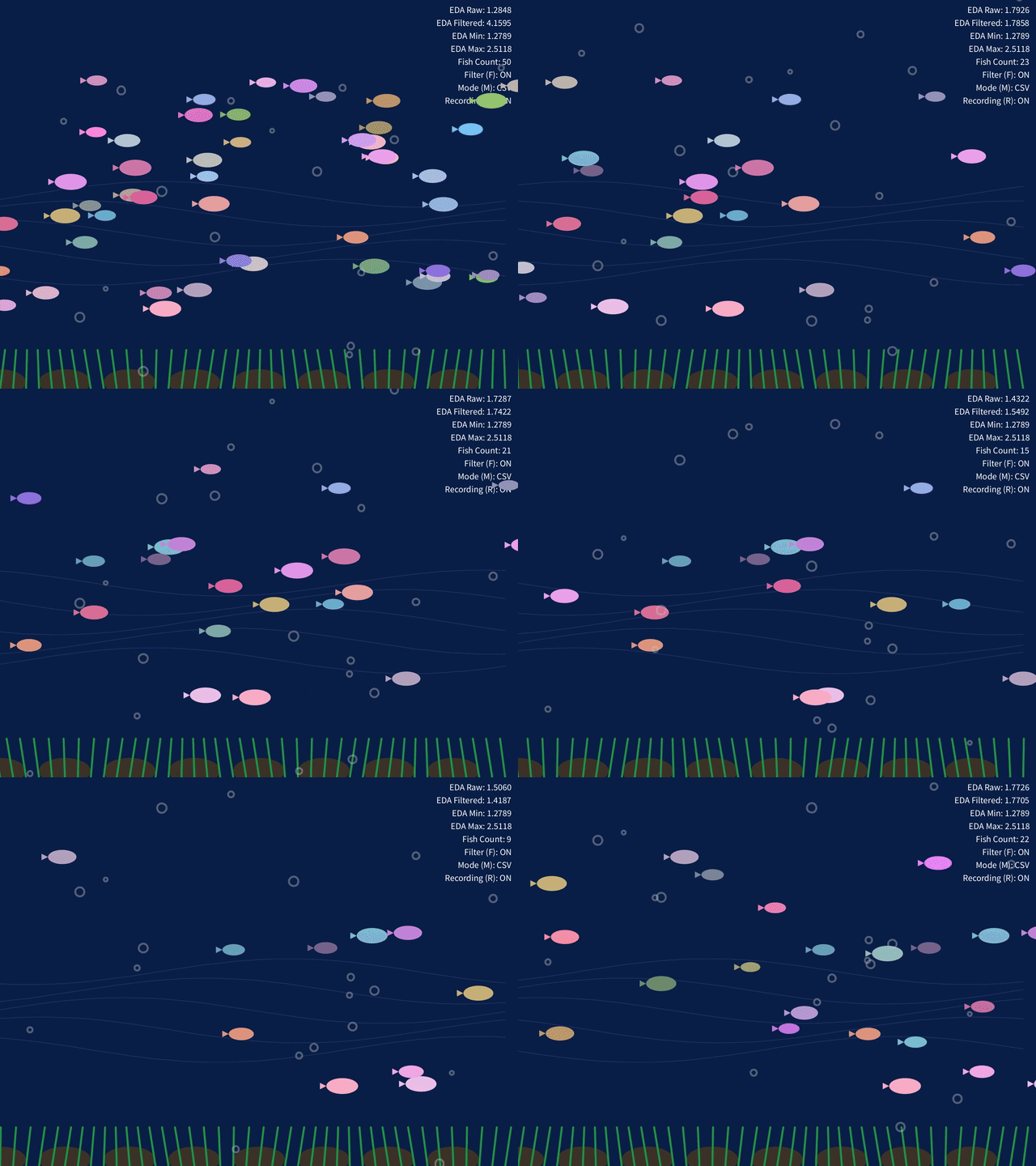
GenAI For Personalized Animations
Published @ ACM MRAC. Soon @ Art Basel 2027.
Year:
2025
Timeframe:
8 Weeks
Tools:
node.js, OpenAI
Category:
AI Research, Product Design
Role:
Student Researcher and Designer
Team:
Affective Computing Group, MIT Media Lab
Overview
Personalized Animations for Affective Feedback
Most biofeedback tools rely on abstract graphs, tones, or haptics to represent what's happening inside the body — but these representations often feel disconnected from the person experiencing them, especially for users whose sensory and emotional processing doesn't match a one-size-fits-all interface. This project, developed with the MIT Media Lab's Affective Computing group, explored what happens when a wearable sensor is paired with generative AI to turn physiological signals into something a user actually recognizes as their own.
Making the Invisible Legible
The goal was to close the gap between raw physiological data and lived experience — building a system flexible enough to let each user define what their own internal states should look like, rather than interpreting a generic visualization designed for no one in particular. This meant working closely with a community, autistic adults, for whom standard biofeedback interfaces are frequently disengaging or misaligned with how they actually process sensory information, and designing toward real interpretability rather than just novelty.
A Real-Time, AI-Driven Biofeedback System